




How Do Farms Wake Up For Spring?
As the seasons change and we transition into spring, have you ever wondered how farmers prepare for the upcoming season?

Spring is in full effect, and I gained insight from Rachel Harmann, a cattle rancher in Wisconsin; Jennifer Beretta, a dairy farmer in Northern California; Linda Pryor, an apple orchard farmer in North Carolina; and Karl Shlagel, a produce farmer in Maryland, about how they prepare for the upcoming spring season. From seasonal priority changes to field preparation and unforeseen challenges, we explore it all to better understand how farms wake up for spring.
As the seasons change, daily routines and priorities shift. “Winter work” is the top priority for Karl Shlagel. This work entails completing less critical tasks that were put on the back burner, as well as keeping up with the greenhouse seeding schedule. “We have to be timely. Greenhouse work starts right after the 1st of the year, and being a day late in the greenhouse in January can cost you a week in June.” Karl Shlagel. Pruning trees, preventing pests and diseases, and fertilization are the top priorities for Linda Pryor. Linda emphasized that everything done before spring arrives is extremely important: “Even though you can't see any apples yet, what we do in the spring is the foundation for our entire apple crop.” Linda Pryor. For Jennifer Beretta, her top priorities include checking their cattle’s health, pastures, and equipment. For Rachel Harmann, her top priority involves lots of planning, goal setting, record-keeping, health checks, pasture assessment and grazing planning.
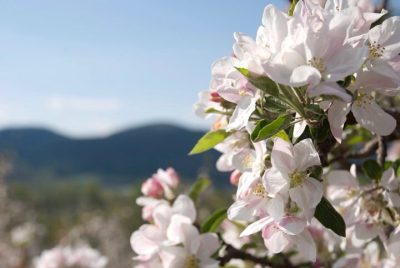
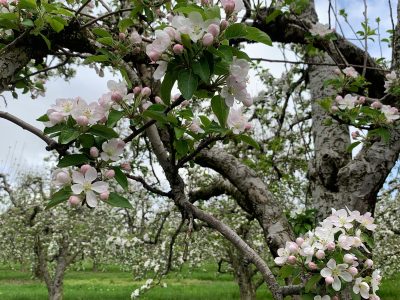
Field preparation is another important part of how farms wake up for spring. On Karl Shlagle's farm, strawberries are the first crop of the season. This crop lies dormant over the winter, and with the weather break, care for the strawberries begins right away. Row covers are removed, fertilizers are applied, and the weather is closely monitored. Preparation is similar for Linda Pryor. For Linda’s apple orchard, the apple trees also lie dormant over winter, and as the weather warms, leaves begin to bud, signaling the start of the growing season. Pest and disease prevention tactics become the top priority. For Jennifer Beretta and Rachel Harmann, field preparation aligns with their top priorities as they complete tasks such as health checks, fence inspections, and increased field monitoring throughout the winter while the cows remain inside and prepare to return to pasture.
Despite thorough field and pasture preparation, challenges still arise as these farmers get ready for spring. Unsurprisingly, the biggest challenge for all is the weather. Karl Shlagle explained that for his field, a spring that is too wet delays crops, while a cold spring slows growth. The transition period is also crucial for Linda Pryor and her apples. The trees require a certain number of cold days, or “chilling hours,” and an early spring can impact this balance. For Jennifer Beretta, unpredictable weather means constantly adjusting plans. For Rachel Harmann, aside from the weather, mud is another issue, and this is considered a season of its own. It slows down chores, complicates cattle movement, and creates stress in high-traffic areas such as gates, feeders, and water sources. “Anyone who farms in Wisconsin knows that spring comes with a fifth season nobody puts on the calendar: mud season. Managing footing and keeping those areas as functional as possible is a daily effort — and yes, it still wins sometimes,” Rachel Harmann.
Spring marks a time of renewal and hard work on farms across the country. Through the diverse experiences shared by these farmers, we see both the common challenges and distinct practices that shape the season for each type of agriculture. Regardless of location or specialty, farmers must adapt to unpredictable weather, shifting priorities, and the unique needs of their land and livestock. Their commitment, resourcefulness, and resilience are the backbone of a successful season. As we enjoy the bounty that arrives each year, it’s important to recognize the dedication and unseen effort that farmers across the country invest to bring fresh food to our tables.
By: Ashley Fennell